


Introducing Timber Window Replacement In South Melbourne
It is important for homeowners in Melbourne to look after their old timber windows, particularly in South Melbourne areas such as Williamstown, Newport, Yarraville, Altona, Port Melbourne, and so on, since the region is exposed to coastal winds, salt air and frequent changes in temperature which continually put a strain on the structure. Moisture and intense sunlight can cause warping, rotting or serious draughts very quickly and this in turn affects both comfort and energy efficiency. That said, a vintage timber window should not necessarily be considered beyond repair. Traditional timber—usually made from dense, old-growth wood—has excellent durability, and problems such as slight surface rot, sticking sashes or failing seals can often be beautifully repaired in order to keep the character of your house. The point is to know when to stop: although restoration is an excellent and economical choice when the damage is only minor, if there is widespread structural decay or extensive rot then timber window replacement is far the more practical and financially sensible option in the long term.
Should You Repair or Replace Your Timber Windows?
Not sure about the solution for your timber windows? Check out this simple comparison table:
| Repair/Restoration Will Be Enough | Replacement May Be Better |
| Minor surface deterioration | Extensive timber decay |
| Damaged paint | Structural deterioration |
| Loose hardware | Repeated hardware failures |
| Small draughts | Significant air leakage |
| Minor sash problems | Window no longer operates properly |
| Localised rot | Rot throughout frame/sash |
| Historic/heritage significance | Poor performance + extensive deterioration |
Complete a 5-minute timber window assessment to understand the current condition of your wooden window. Check:
- If the timber is soft or crumbling?
- If the window opens and closes properly?
- If you feel air coming through when closed?
- If there is water staining or moisture around the frame?
- If the glass is cracked or damaged?
- If the paint is continually peeling off?
- If repairs are becoming more frequent?
Why Timber Windows Still Make Sense for Melbourne Homes?
Timber windows are still a great and high-performing option for properties in Melbourne, combining classic looks with practical durability.
Natural Appearance & Heritage Appeal
Timber gives a genuine and friendly appearance which matches perfectly with Melbourne’s diverse architectural scene—particularly with Victorian, Federation, and Edwardian houses, detached cottages from earlier periods, and other types of properties with character.
Superior Thermal Properties
Since wood has a lower thermal conductivity than metals, natural timber frames function as a good insulator and thus help homes to keep the heat in during the cold Melbourne winters and stay cool in summer.
Complete Customisation
With timber you can fully tailor the sizes, unique profiles, the glazing, the finishes, the traditional details, and the special sash arrangements to meet any structural requirement.
Longevity & Repairability
Unlike synthetic ones, good timber frames can be sanded, had their stain reapplied, or have local repairs made over time rather than being thrown away altogether.
9 Signs Your Timber Windows For Your Melbourne Home May Need Replacement
1. Extensive Timber Rot or Decay:
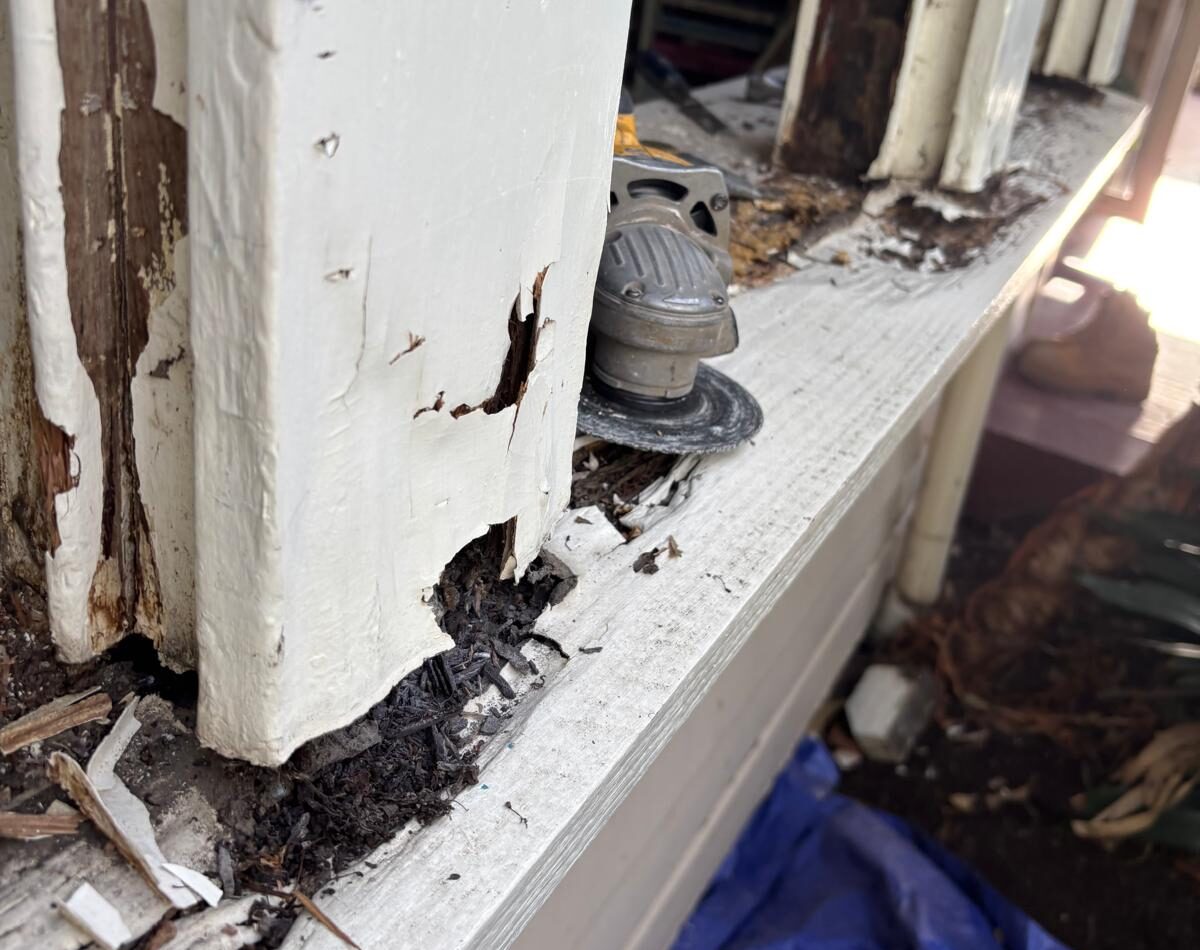
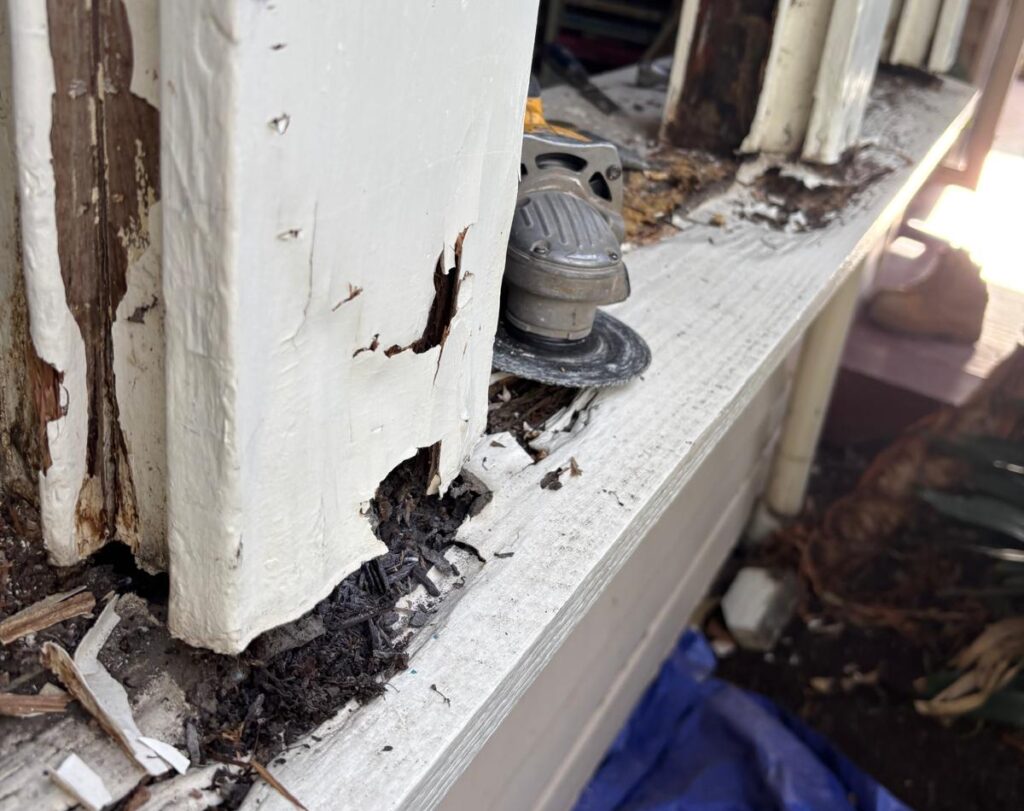
Superficial deterioration has no effect on the strength of the wood and only affects the surface appearance. Localised rot goes deeper but stays within a particular and separate area, so that the surrounding wood is left unharmed. On the other hand, deep structural rot causes extensive fungal decay in the core load-bearing parts, greatly weakening the overall structural integrity and making it necessary to carry out immediate replacement of the timber or to reinforce the structure.
2. Persistent Draughts:
The continuous draughts in timber sash windows are caused by specific structural and material failures. The gaps around the sash and the warped timber enable air to go round the moving frames, and the worn seals destroy the physical resistance to wind. Meanwhile, the unsealed gaps between the window frame and the wall, together with inadequate installation, cause cold air to leak around the whole assembly rather than through it. Check out the Australian Government Guidelines on how to identify rattling/whistling sounds, moving curtains and noticeable breezes around closed windows as signs of air leakage.
3. Windows No Longer Open or Close Properly:
Because of the moisture, the timber swells and this jams the frame, and the sashes, which are warped, twist out of shape and so prevent the window from moving smoothly. When the hardware is damaged or the cords have deteriorated they are unable to hold the sash in place or to lock it properly and this results in the sash sticking or dropping. If the window is misaligned the whole window frame becomes off-centre and older double-hung timber windows thus become either difficult or impossible to operate.
4. Condensation and Moisture Problems:
Normal Temporary Condensation
During rapid temperature changes or daily activities like cooking and showering, temporary condensation may appear on inner glass surfaces or frames. This small amount of moisture generally vanishes once the indoor humidity levels have settled or when sufficient ventilation has been reestablished. It is usually just a natural physical response to the level of indoor humidity and not a sign that there is a flaw in the window system.
Persistent Moisture Indicating Larger Issues
The fact that moisture continues to be present indicates that there are more serious issues involved. It is a sign of faulty ventilation or of double-glazing seals that have failed—this can be seen by moisture becoming trapped between the two panes of glass. Fixing these underlying causes stops structural deterioration, even though the presence of condensation by itself does not mean that the window has to be replaced.
5. Peeling Paint Keeps Coming Back
Painting a window that is deteriorating over and over again gives only a short-term cosmetic solution; if the underlying problem—is for example, moisture getting trapped or the timber rotting—is not dealt with the wood will still keep on deteriorating. Since paint cannot bond well to surfaces that are damaged the new layer will certainly crack and flake once more. Genuine long-term repair involves fixing the timber and getting rid of the sources of moisture first.
6. Cracked, Damaged or Poor-Performing Glass
Glass that is cracked, damaged, or performing poorly reduces a house’s thermal efficiency and its security. Glass that is single glazing and old causes a great deal of heat loss, drafts, and noise getting in. Changing to double glazing nowadays leads to a great improvement in energy efficiency and insulation, and the use of safety glass—such as toughened or laminated types—makes it possible to meet important requirements, ensures resistance to impact, and provides long-term durability in areas where there is a high risk. According to the Australian Government, most older Australian homes have single glazing and that double glazing can substantially reduce heat transfer.
7. Increasing Heating and Cooling Costs
If windows are not properly sealed, air leaks will occur and the thermal insulation will be inadequate. In the summer, unwanted outside heat will enter your living area and, in the winter, the cold will enter while the warm air inside escapes. This excessive transfer of heat hampers your ability to control the temperature, causing the heating and cooling systems to have to run for longer periods and work more vigorously, thus raising energy costs.
8. Repeated Repairs Are Becoming Expensive
The constant need for repairs quickly wastes money due to the accumulation of call-out fees, labor charges, and the use of temporary fixes on outdated equipment. In Melbourne the high rates charged by local tradespeople together with service surcharges make frequent repairs especially expensive over time. By upgrading to a new unit these ongoing costs are eliminated, energy costs are reduced, and long-term reliability is achieved thanks to the warranty.
9. Security Has Become a Concern
Loose frames, defective locks, and damaged hardware seriously affect the security of your home. In Melbourne, where the weather can be unpredictable and this causes older fittings to warp, windows which do not close securely provide intruders with simple means of entry. Not only is there a physical vulnerability, but when the hardware is compromised it also becomes difficult to verify insurance claims, which is why it is important to carry out immediate repairs or replace the parts in order to protect both your property and your peace of mind.
Choosing a Timber Window Replacement Company in Melbourne:
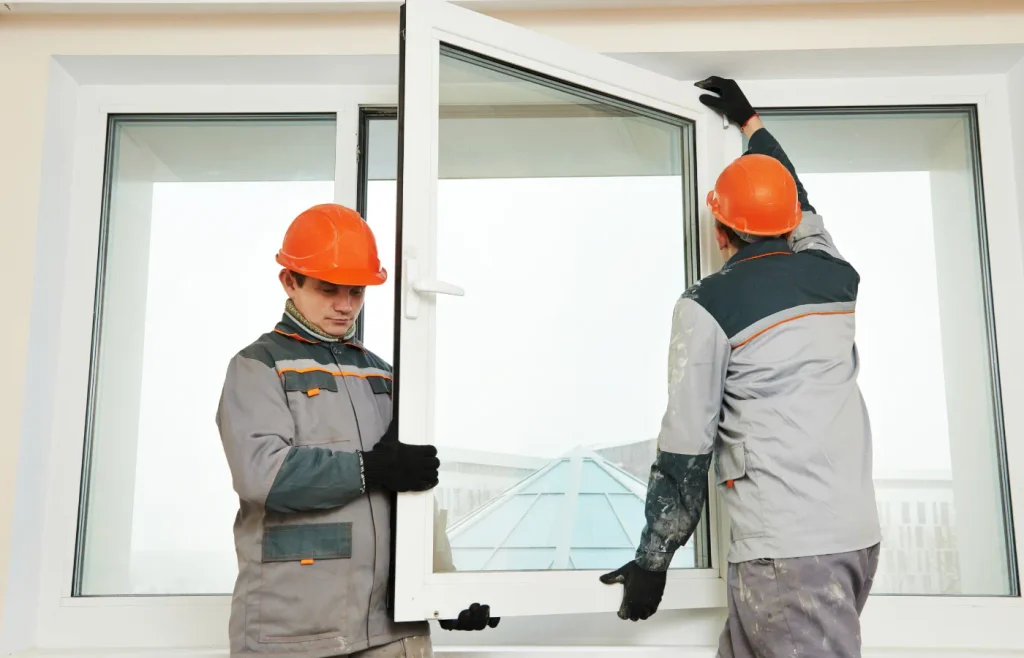
Once you have figured out the problem it’s time to find the best timber window replacement and installation company for your Melbourne property. Find a craftsman who specialises in traditional timber joinery and who can manufacture custom sash and casement windows to exactly match the aesthetic of your house. Genuine experts in period homes know what is required in terms of heritage and will clearly tell you whether a window needs to be completely replaced or whether restoration and repair are possible. They should suggest suitable hardwoods—for example, Vic Ash or Accoya—in order that the windows will be able to cope with Melbourne’s climate, and assist you in choosing high-performance double glazing or acoustic glass so as to improve efficiency without compromising the architectural character. Make sure that they give you accurate laser measurements and carry out the whole wooden window installation process, including the application of high-grade, durable paint or stain finishes. Lastly, check out a portfolio of their previous timber window restoration projects in Melbourne to confirm the quality and attention to detail before making a decision.