


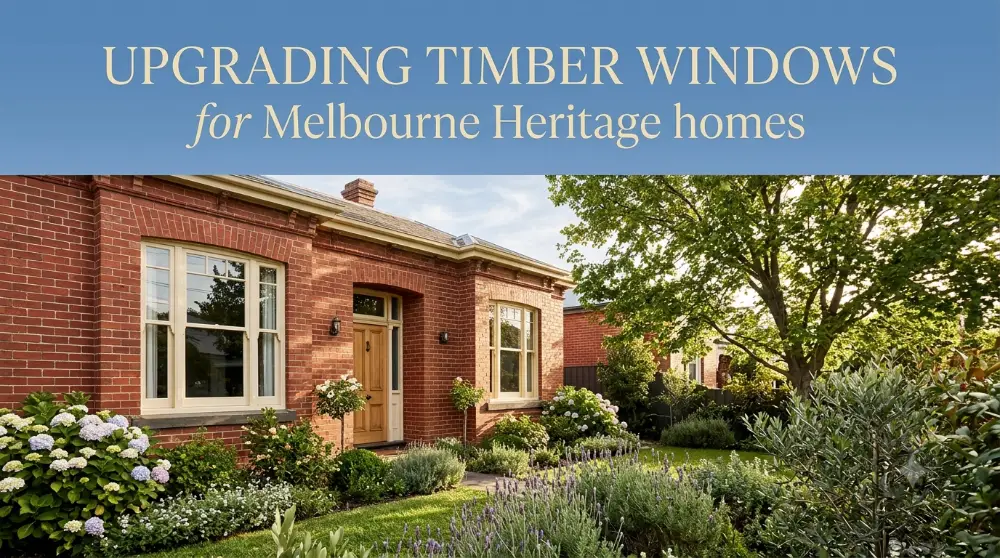
Timber Windows In Melbourne Heritage Homes
If you live in one of Melbourne’s prized heritage suburbs—whether it’s a Victorian terrace in Fitzroy, a grand Edwardian in Hawthorn, or a picturesque Californian Bungalow in Camberwell—you already know the unmatched character these homes bring. From intricate ironwork to soaring ceilings, period properties have a soul that modern builds just can’t replicate.
But tell me honestly: Is it as easy as it sounds to live with original timber frame windows?
According to our survey, 85% of heritage homeowners in Melbourne agree that upgrading or fixing wooden windows in a heritage home can feel daunting. You want warmth, quiet, and low power bills, but you’re stuck navigating strict council rules and heritage overlays. And that’s a big headache! You definitely want to modernise without destroying the vintage charm that made you fall in love with the place in the first place.
Here is everything Melbourne property owners need to know about repairing, replacing, and modernising their timber windows in Melbourne without getting on the wrong side of the council.
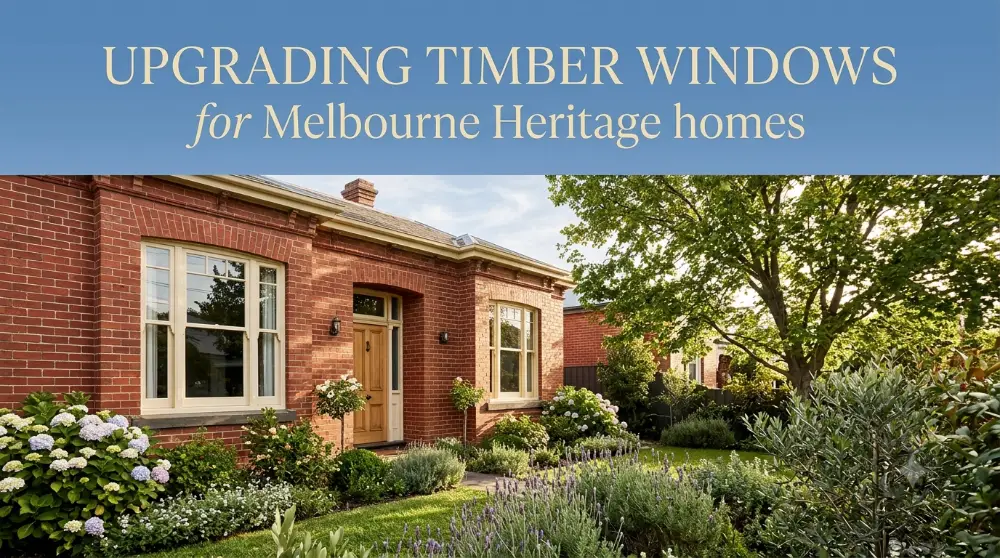
Understanding Melbourne Heritage Overlays (The Council Hurdle)
Planning to buy new wooden windows and replace old ones for your heritage property? Wait and check the council rules first. Many older homes in Melbourne have a “Heritage Overlay.” This means your local council (like Yarra, Boroondara, Port Phillip, or Melbourne) has special rules to protect the vintage look of the neighbourhood. Sounds interesting, right?
When it comes to timber windows, councils focus on two simple rules: where the window is and what look needs to be maintained.
- Front Windows (Visible from the Street): If people can see the window from the main road, the council usually requires you to change the window in a way that it looks identical to the old one. You must match the exact shape, wooden trims, handles, and glass pattern. Colin from CJ Riley Joinery can help you do so!
- Back Windows (Hidden from View): If the window is at the back of the house or hidden down a side alley, councils are much more flexible. You can often use modern window styles here.
- Fix First, Replace Later: Councils always prefer you to repair an old wooden window rather than throw it away. If the wood can be saved, they expect you to fix it.
Knowing these rules early stops you from wasting money on windows the council won’t allow.
Modern Comfort: Glazing & Draft-Proofing Upgrades
The single biggest complaint about period windows is thermal performance. Traditional single pane glass lets warmth bleed out fast during Melbourne’s winter chill, while letting scorching summer heat pour right in.
Fortunately, you don’t have to settle for a freezing living room to keep your period home compliant.
Timber Double Glazed Windows
Modern joinery techniques allow us to craft heritage-matching timber double glazed windows. By custom-milling deeper rebates into traditional profiles, we can fit high-performance double-glazed units (IGUs) into authentic timber frame windows. You get all the insulation and noise reduction of modern glass, housed inside timeless natural wood.
Ultra-Thin & Vacuum Insulated Glass (VIG)
For strict heritage properties where traditional double glazing is too thick for fine glazing bars, slimline glass units or Vacuum Insulated Glass (VIG) offer an incredible solution. VIG provides the thermal insulation of a thick double-glazed unit inside a profile just 6mm to 8mm thick, easily slipping into original glazing rebates.
Integrated Perimeter Draft Sealing
Rattling sashes are usually caused by gaps between the timber sash and the frame. Installing concealed brush seals along the sash grooves closes those gaps completely. It kills rattles overnight, stops freezing drafts dead in their tracks, and makes your home significantly quieter—all without altering how the window looks from the pavement.
Timber Species & Craftsmanship: Built for Melbourne’s Climate
Melbourne is famous for four seasons in one day, and that weather volatility tests your joinery. Sun-drenched afternoon heat followed by sudden downpours causes timber to expand and contract, which can compromise cheap materials.
Choosing the right timber species ensures your windows don’t warp, twist, or rot ten years down the track:
- Accoya Wood: This kind of timber undergoes a non-toxic acetylation process, making it virtually rot-proof and exceptionally stable. It resists swelling, meaning paint finishes last up to twice as long.
- Western Red Cedar: If you are a resident in Melbourne, you must have heard about this one. It is a classic choice for Melbourne homes due to its lightweight nature, natural acoustic properties, and inherent resistance to decay.
- Victorian Ash / Hardwood: Excellent for high-wear areas and structural strength, providing a solid feel and beautiful natural grain. Do your windows battle a lot against the harsh sun, heavy rain or cold winds? Then this one is a good choice.
Want to keep your home secure and looking timeless? Pairing quality timber with traditional mortise-and-tenon joints and high-grade heritage hardware (brass or chrome sash lifts, stays, and quadrant fasteners) helps you do so.
Frequently Asked Questions (FAQs)
Do I need a council permit to repair my timber windows in Melbourne?
Generally, straightforward maintenance and like-for-like repairs (like replacing broken glass, re-cording sashes, or splicing small sections of rotted timber) do not require a heritage permit. However, if you plan to change window styles, materials, or glass types on a street-facing elevation, you should check with your local council planning officer first.
Can original timber double-hung windows be double-glazed?
Yes! In many cases, original sashes can be retrofitted with slimline double glazing or Vacuum Insulated Glass. If the existing timber sashes are too thin or structurally weak to carry the extra weight of double glazing, we can manufacture exact replica sashes designed specifically to hold double-glazed units while keeping your original outer frame intact.
How much longer do timber window frames last compared to aluminium?
Well-maintained wooden window frames can easily last 80 to 100+ years—as proven by the thousands of Victorian homes across Melbourne still boasting their original windows! Unlike aluminium or uPVC, timber can be easily repaired, sanded, and repainted if damaged, making it an incredibly durable, sustainable choice.
How do I stop cold air leaking through my old timber casement windows?
Drafts around timber casement windows are usually caused by warped sashes or worn-out timber rebates. Installing perimeter draft seals, realigning hinges, and adding multi-point latching hardware will seal the gaps tightly, eliminating drafts while keeping the original aesthetic.
Ready to Restore or Replace Your Timber Windows?
Upgrading your heritage home doesn’t mean you have to choose between vintage charm and modern comfort. Hire a professional window joiner to get the job done for you. With a mix of heritage-compliant repairs, custom joinery, and modern insulating glass, they can help you enjoy a warm, draft-free home that honours its architectural history.
Planning a window project for your Melbourne home? Contact our Colin from CJ Riley Joinery today for a free quote.